All Categories
Featured
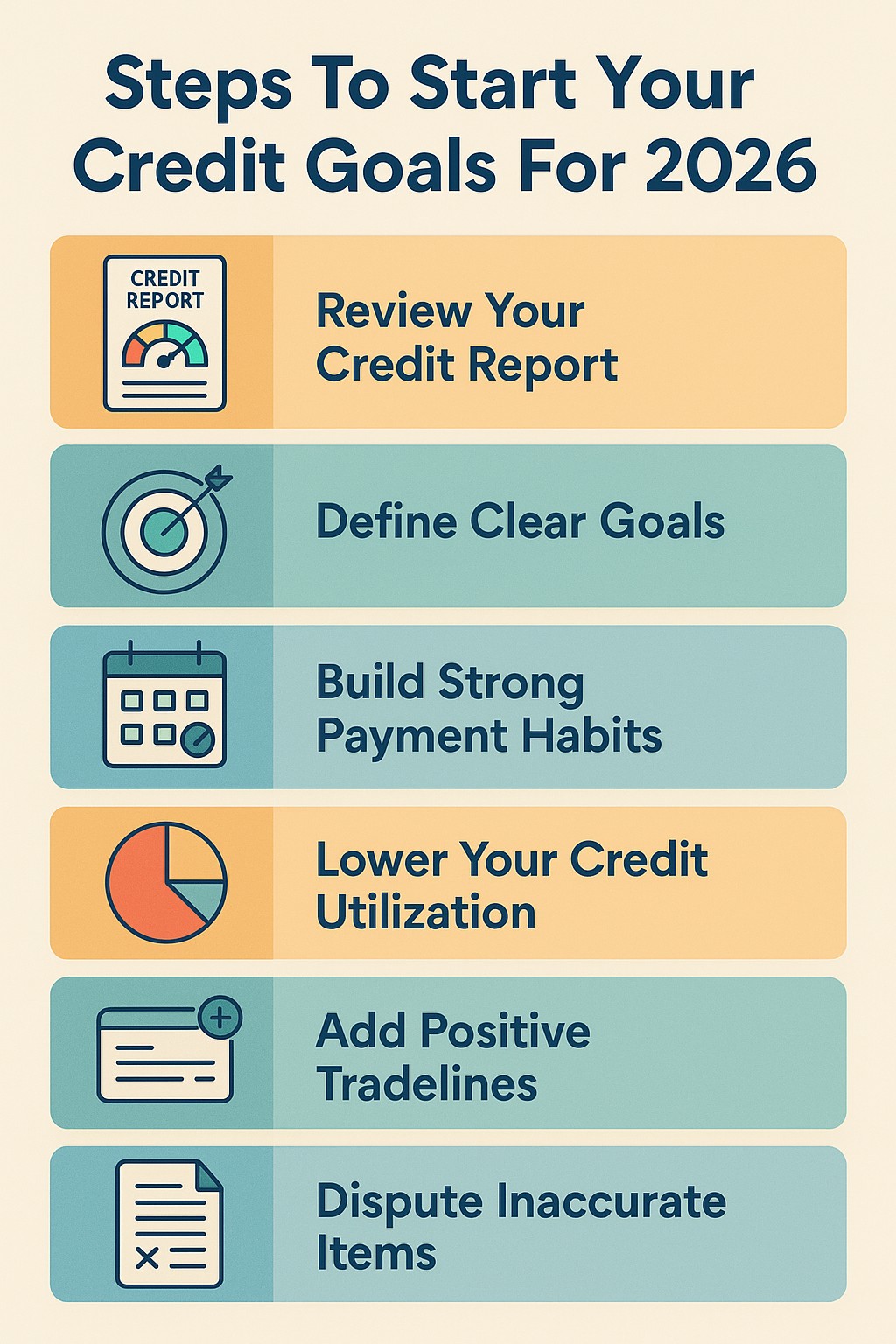

Understanding the New Credit Repair Laws 2026
Table of Contents
with tools and details that individuals can utilize throughout your training and afterwards. The curriculum also includes a Trainer Supplement: Real-Life Cash Situations for Young Person, which supplies five scenarios including young people considering financial choices. Click arrows next to headers to sort in Rising or Coming down order.
People likewise browse for: excel power bi esg accounting balance sheet fmva realty
Our Programs Can Help Individuals of All Ages Enhance Their Financial Abilities & Knowledge
Enhancing Financial Literacy for Adults
The 5 principles build on insights about how people make financial decisions, marshalled from many fields of research study, and on what we have discovered consumers' own experiences in the financial marketplace.
Saving & Budgeting Embarrassed by money bad moves? Speak about them. By opening up, you discover you're not alone and acquire confidence to move forward. In these videos, individuals like you share their blunders and get guidance from Better Cash Behaviors Champions. Watch video, 7 minutes
(GCShutter) About half (54%) of U.S. grownups state they understand a terrific deal or a fair quantity about personal finances. Another 33% state they understand some about individual financial resources, while 13% say they don't know much or know nothing at all, according to a 2023 Seat Research study Center study. Understanding about personal finances can refer to a number of methods for managing cash, including conserving, budgeting, handling debt or investing.
We surveyed 7,470 U.S. grownups from Sept. 12 to 24, 2023, in English and Spanish. Some 2,734 White, Asian and Hispanic adults were surveyed on the Center's American Trends Panel (ATP). In addition, an oversample of 4,736 Black adults were surveyed. The Black adult sample included those who determine as Black and non-Hispanic, multiracial Black and non-Hispanic, or Black and Hispanic.
Participants were recruited through nationwide, random sampling of property addresses. Recruiting panelists by mail ensures that nearly all U.S. grownups have a possibility of selection. This offers us confidence that any sample can represent the whole population.
Improving Financial Literacy for Adults
There have long been economic spaces between Americans of different backgrounds, and our study likewise discovers spaces in monetary literacy: Americans in households with upper earnings (72%) are most likely than those in households with middle (56%) or lower incomes (42%) to state they understand a minimum of a reasonable amount about individual finances.
About half of Asian grownups (49%) state the same. Grownups ages 50 and older (63%) are more most likely than those 18 to 49 (45%) to state they are experienced about individual financial resources.
About a quarter of Hispanic adults (27%) say the same, higher than amongst Asian (17%), Black (14%) or White grownups (8%). U.S. grownups have mixed self-confidence in their ability to perform numerous monetary skills. Most Americans (75%) say they are very or very positive in their capability to discover their credit report.
By contrast, simply 27% reveal self-confidence in their capability to create a financial investment strategy to develop wealth. Americans' confidence in these skills varies by income, race and age: U.S. grownups with upper incomes are most likely than those with middle or lower incomes to say they are confident in their ability to do each of these things.
Grownups ages 50 and older are more most likely than those 18 to 49 to believe in their capability to do each task except create an investment plan. Across age, similarly small shares reveal confidence they can do that. In addition, about one-in-five U.S. grownups (21%) are confident in their ability to carry out every monetary skill we inquired about.
Methods to Increase Credit Score Fast 2026
Meanwhile, 13% of Americans are not positive in their ability to do any of these finance abilities. Hispanic (21%), Asian (21%) and Black adults (17%) are more most likely than White grownups (8%) to say this. And 22% of those with lower earnings state this, compared with fewer than 10% of those with middle or upper incomes (9% and 5% respectively).
Reasonably few Americans have discovered this in school, our survey discovers. Amongst U.S. adults who are educated about personal financial resources, 49% state they learned a lot or a reasonable amount about individual financial resources from household and friends. That is the greatest share for any source we asked about.

Latest Posts

How to Fix Credit Scores Fast in 2026

Simple Ways to Fix My Credit 2026
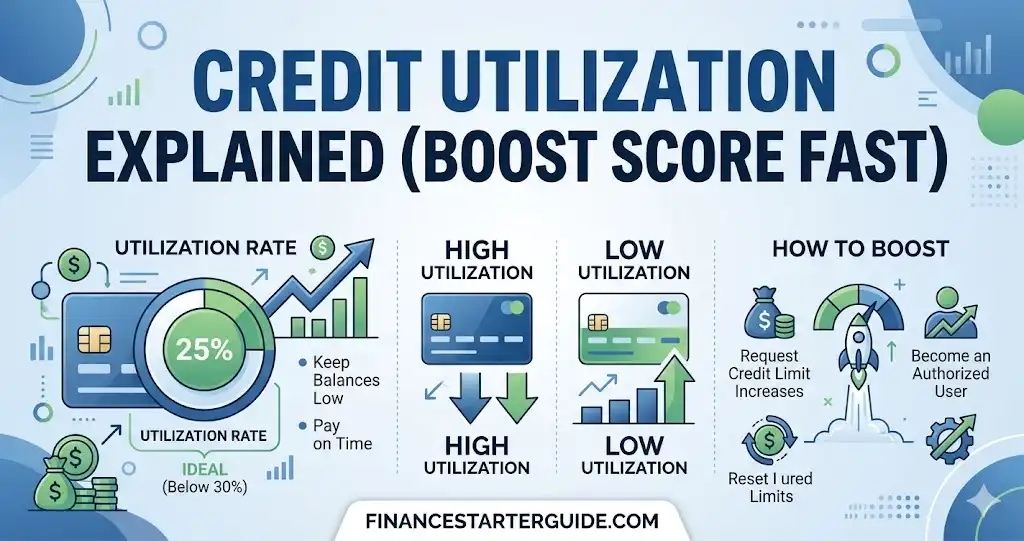
Fast Ways to Boost Personal Credit Score Fast